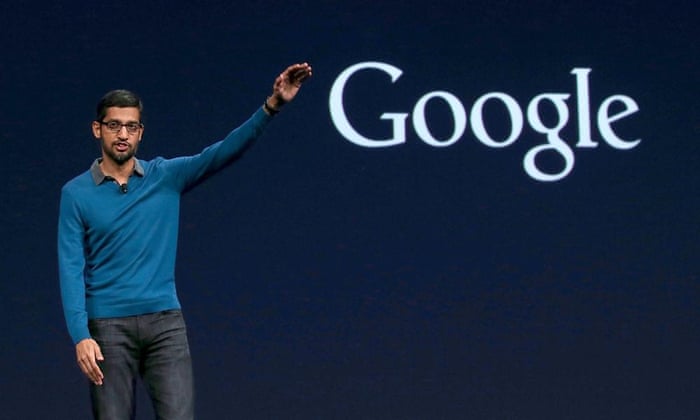
Google has created the most secure microSD card ever

You
typically think about Google as the company that accesses your data
without consent. However, Google's Project Vault is meant to help you
keep your data from getting in the wrong hands.
Google unveiled Vault, a microSD card
that leverages enhanced encryption technology, during the company's
Google I/O 2015 Day 2 keynote. The basic premise of Vault is the ability
to enable encrypted communications on a real-time custom operating
system, or ARTOS, designed by Google.
By inserting the card into your device,
you essentially transport the encrypted operating system with you to
better secure your photos, chats, emails and more. think of a typical
Intel or SanDisk microSD card, but one that runs on its own operating
system, requires two-step authentication for accessing data and can be
configured to encrypt using hashtags, signatures and passcodes, among
other accessibility options.
What's on it?
Vault is capable of storing 4GB of data,
roughly 25th of a baseline iPhone. The chip is powered by an ARM
processor, and it features NFC technology and an antenna.
Interested parties can begin testing an
enterprise-specific version of Vault today. Google says it's working on a
consumer model, however didn't provide an immediate release date.
Vault works with all operating systems, including android, Windows, OS X and UNIX.
- See more at: http://tech-aid.net/news/hardware/google-has-created-the-most-secure-micro-sd-card-ever#sthash.MMLcFVMY.dpuf
You
typically think about Google as the company that accesses your data
without consent. However, Google's Project Vault is meant to help you
keep your data from getting in the wrong hands.
Google unveiled Vault, a microSD card
that leverages enhanced encryption technology, during the company's
Google I/O 2015 Day 2 keynote. The basic premise of Vault is the ability
to enable encrypted communications on a real-time custom operating
system, or ARTOS, designed by Google.
By inserting the card into your device,
you essentially transport the encrypted operating system with you to
better secure your photos, chats, emails and more. think of a typical
Intel or SanDisk microSD card, but one that runs on its own operating
system, requires two-step authentication for accessing data and can be
configured to encrypt using hashtags, signatures and passcodes, among
other accessibility options.
What's on it?
Vault is capable of storing 4GB of data,
roughly 25th of a baseline iPhone. The chip is powered by an ARM
processor, and it features NFC technology and an antenna.
Interested parties can begin testing an
enterprise-specific version of Vault today. Google says it's working on a
consumer model, however didn't provide an immediate release date.
Vault works with all operating systems, including android, Windows, OS X and UNIX.
- See more at: http://tech-aid.net/news/hardware/google-has-created-the-most-secure-micro-sd-card-ever#sthash.guf9HLqJ.dpuf
You typically think about Google as
the company that accesses your data without consent. However, Google's Project
Vault is meant to help you keep your data from getting in the wrong hands.
Google unveiled Vault, a microSD
card that leverages enhanced encryption technology, during the company's Google
I/O 2015 Day 2 keynote. The basic premise of Vault is the ability to enable
encrypted communications on a real-time custom operating system, or ARTOS,
designed by Google.
By inserting the card into your
device, you essentially transport the encrypted operating system with you to
better secure your photos, chats, emails and more. think of a typical Intel or
SanDisk microSD card, but one that runs on its own operating system, requires two-step
authentication for accessing data and can be configured to encrypt using
hashtags, signatures and passcodes, among other accessibility options.
What's
on it?
Vault is capable of storing 4GB of
data, roughly 25th of a baseline iPhone. The chip is powered by an ARM
processor, and it features NFC technology and an antenna.
Interested parties can begin testing
an enterprise-specific version of Vault today. Google says it's working on a
consumer model, however didn't provide an immediate release date.
Vault works with all operating
systems, including android, Windows, OS X and UNIX.
You
typically think about Google as the company that accesses your data
without consent. However, Google's Project Vault is meant to help you
keep your data from getting in the wrong hands.
Google unveiled Vault, a microSD card
that leverages enhanced encryption technology, during the company's
Google I/O 2015 Day 2 keynote. The basic premise of Vault is the ability
to enable encrypted communications on a real-time custom operating
system, or ARTOS, designed by Google.
By inserting the card into your device,
you essentially transport the encrypted operating system with you to
better secure your photos, chats, emails and more. think of a typical
Intel or SanDisk microSD card, but one that runs on its own operating
system, requires two-step authentication for accessing data and can be
configured to encrypt using hashtags, signatures and passcodes, among
other accessibility options.
What's on it?
Vault is capable of storing 4GB of data,
roughly 25th of a baseline iPhone. The chip is powered by an ARM
processor, and it features NFC technology and an antenna.
Interested parties can begin testing an
enterprise-specific version of Vault today. Google says it's working on a
consumer model, however didn't provide an immediate release date.
Vault works with all operating systems, including android, Windows, OS X and UNIX.
- See more at: http://tech-aid.net/news/hardware/google-has-created-the-most-secure-micro-sd-card-ever#sthash.guf9HLqJ.dpuf
Google has created the most secure microSD card ever
You
typically think about Google as the company that accesses your data
without consent. However, Google's Project Vault is meant to help you
keep your data from getting in the wrong hands.
Google unveiled Vault, a microSD card
that leverages enhanced encryption technology, during the company's
Google I/O 2015 Day 2 keynote. The basic premise of Vault is the ability
to enable encrypted communications on a real-time custom operating
system, or ARTOS, designed by Google.
By inserting the card into your device,
you essentially transport the encrypted operating system with you to
better secure your photos, chats, emails and more. think of a typical
Intel or SanDisk microSD card, but one that runs on its own operating
system, requires two-step authentication for accessing data and can be
configured to encrypt using hashtags, signatures and passcodes, among
other accessibility options.
What's on it?
Vault is capable of storing 4GB of data,
roughly 25th of a baseline iPhone. The chip is powered by an ARM
processor, and it features NFC technology and an antenna.
Interested parties can begin testing an
enterprise-specific version of Vault today. Google says it's working on a
consumer model, however didn't provide an immediate release date.
Vault works with all operating systems, including android, Windows, OS X and UNIX.
- See more at: http://tech-aid.net/news/hardware/google-has-created-the-most-secure-micro-sd-card-ever#sthash.MMLcFVMY.dpuf